
- Gifts & Party Decorations
- Phone Accessories
- Photo & Video
- Computers & Electronics
- Sports & Fitness
- Beauty & Health
- Car & Motorcycle Accessories
- Bicycle Accessories
- Home & Living
- Garden & Outdoor
- Baby & Kids Products
- Games, Hobbies & Leisure
- Travel & Outdoor Activities
- Pet Supplies
- Discounted Items & Products with Defects
Network Antennas for Wi-Fi & Routers
Network antennas are essential accessories designed to boost wireless signal strength, expand coverage, and ensure reliable connectivity. They optimize the performance of Wi-Fi routers, access points, and 4G or 5G cellular modems across homes, offices, and outdoor environments. Choosing the right antenna helps eliminate dead zones and reduces interference for seamless data transfer.
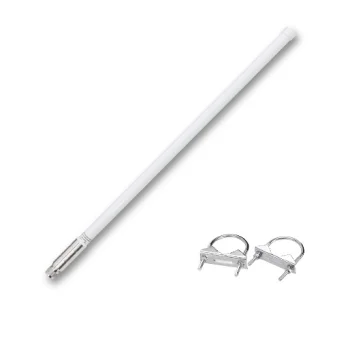
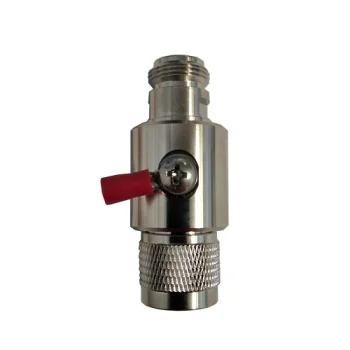
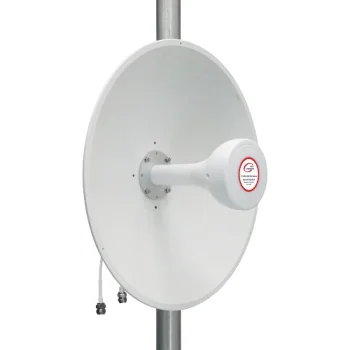
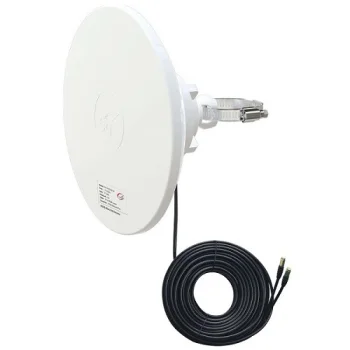
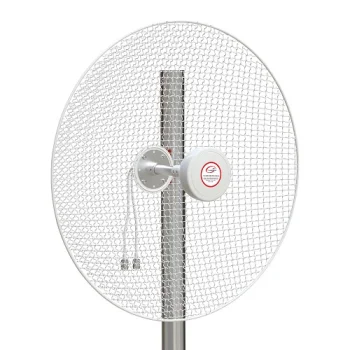
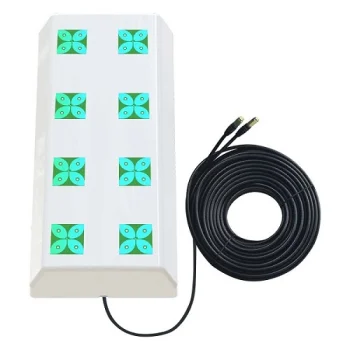
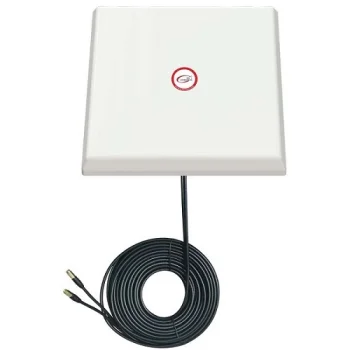
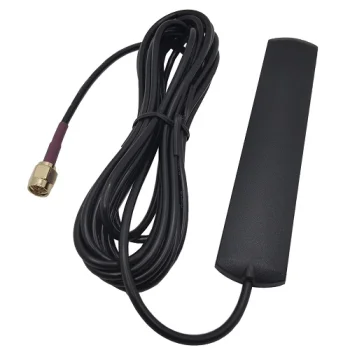
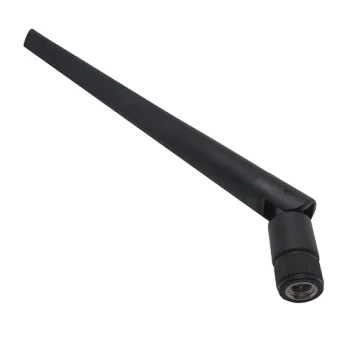
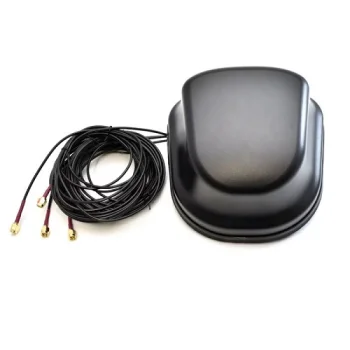
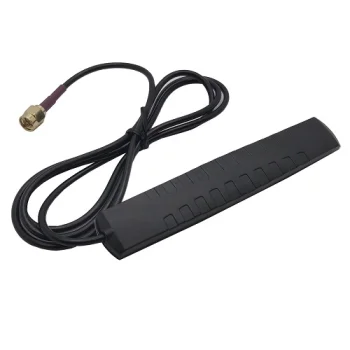
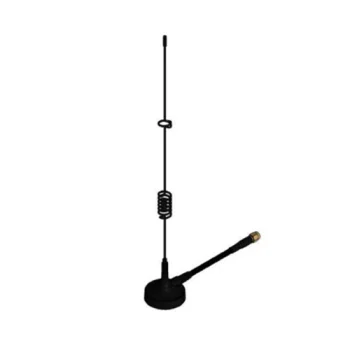
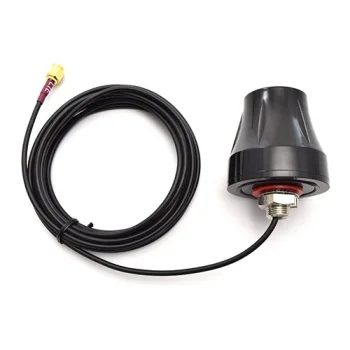
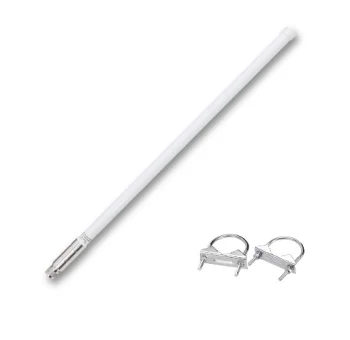
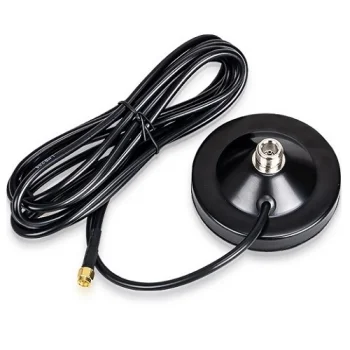
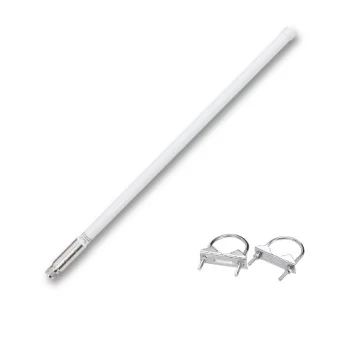
A stable wireless connection is critical for productivity and entertainment. Network antennas enhance signal quality when built-in router or access point antennas are insufficient for challenging environments or long-distance transmissions. They are suitable for both local Wi-Fi networks and cellular broadband reception.
How to Choose the Right Network Antenna
When selecting a network antenna, consider the following technical aspects to match your specific setup:
- Directionality: Omnidirectional antennas distribute signal evenly in a 360-degree radius, whereas directional antennas focus energy in a specific direction for greater range.
- Frequency Band: Ensure compatibility with your equipment, such as 2.4 GHz, 5 GHz Wi-Fi frequencies, or 4G LTE/5G bands.
- Gain (dBi): A higher dBi rating indicates a more focused beam and stronger signal over longer distances.
- Deployment Environment: Indoor models offer easy installation, while outdoor antennas feature rugged, weather-resistant enclosures.
- Connector Type: Match the connector standard (such as RP-SMA or SMA) with the port on your router or network card.
Investing in the proper network antenna ensures consistent wireless performance and eliminates signal dropouts across your entire premises.
Frequently Asked Questions
What is the difference between directional and omnidirectional antennas?
Omnidirectional antennas emit signals equally in all horizontal directions, while directional antennas focus the signal into a narrow beam for long-distance links.
What does the dBi rating mean for a network antenna?
The dBi rating measures antenna gain. Higher dBi values concentrate the signal more tightly, providing extended range in a specific plane or direction.
Are network antennas universally compatible with all routers?
No, you must ensure the antenna uses the correct connector type (such as RP-SMA or SMA) and supports the frequency bands of your router.
What are the most popular 2026 products in category - Network Antennas for Wi-Fi & Routers
What are the newest products in category - Network Antennas for Wi-Fi & Routers
- GSM Antenna 824~960/1710~2170MHz, 5dBi, 30cm with Magnetic Base and 1m Cable
- Omnidirectional LoRa Antenna, 868MHz, 5.8dBi, 80cm, White
- 5G / LTE / CBRS 2x2 MIMO Dish Antenna, 1.7-4.2GHz, White
- 5G / LTE / CBRS 2x2 MIMO Dish Antenna, 1.7-4.2GHz, 17dBi+19dBi, White
- 5G / LTE / CBRS 2x2 MIMO Dish Antenna, 1.7-4.2GHz, 2x 12dBi, IP67